Promotes cell regeneration, eliminates senescent cells, eliminates natural killer cells, and treats six major cellular diseases.
Powerful immune defense, immune surveillance, and immune enhancement offer six major disease prevention and life-saving benefits.
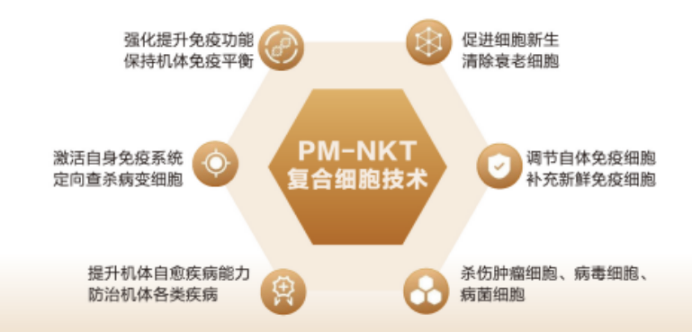
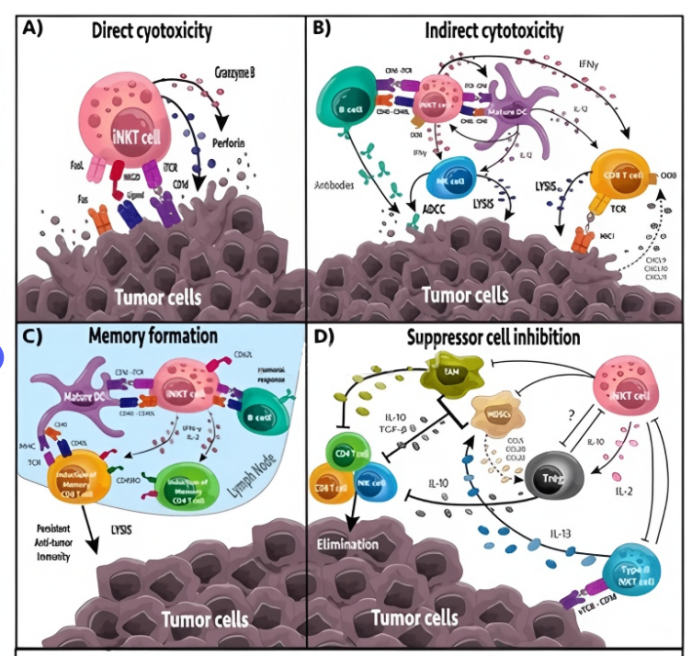
Strengthening and Enhancing Immune Function to Maintain Immune Balance:
The immune system is a crucial line of defense against disease. Strengthening immune function means enhancing the activity and number of immune cells through nutritional support, moderate exercise, sufficient sleep, and, when necessary, the use of immunomodulators, thereby improving their ability to recognize and eliminate pathogens. Maintaining immune balance requires the immune system to neither overreact (e.g., in autoimmune diseases) nor underreact (e.g., to increased susceptibility to infection). This necessitates precise regulation of various aspects of the immune system to ensure a rapid and effective response to various challenges while avoiding damage to the body's own tissues.
Promoting Cell Regeneration and Eliminating Senescent Cells:
Cells are the basic building blocks of the human body, and their regeneration and aging directly affect the body's health and function. Promoting cell regeneration means stimulating cell proliferation and differentiation by improving the microenvironment and providing necessary growth factors and nutrients to maintain tissue renewal and repair. Eliminating senescent cells involves removing those with declining function, potential for inflammation, or cancerous transformation through autophagy of the immune system or specific drug interventions. This process helps maintain the youthful state and functional integrity of tissues, slowing down the aging process.
Activating the Immune System to Target and Eliminate Diseased Cells:
The immune system has the ability to recognize and eliminate abnormal cells (such as cancer cells and virus-infected cells). Activating this system means enhancing the immune cells' ability to recognize and attack diseased cells through immunotherapy (such as immune checkpoint inhibitors, CAR-T cell therapy, etc.) or specific immunostimulants. Targeted elimination requires the immune system to accurately identify and attack diseased cells while avoiding damage to normal cells. This process requires fine-tuning various aspects of the immune system to ensure that it maintains tolerance to normal cells while eliminating diseased cells.
Regulating Autologous Immune Cells to Replenish Fresh Immune Cells:
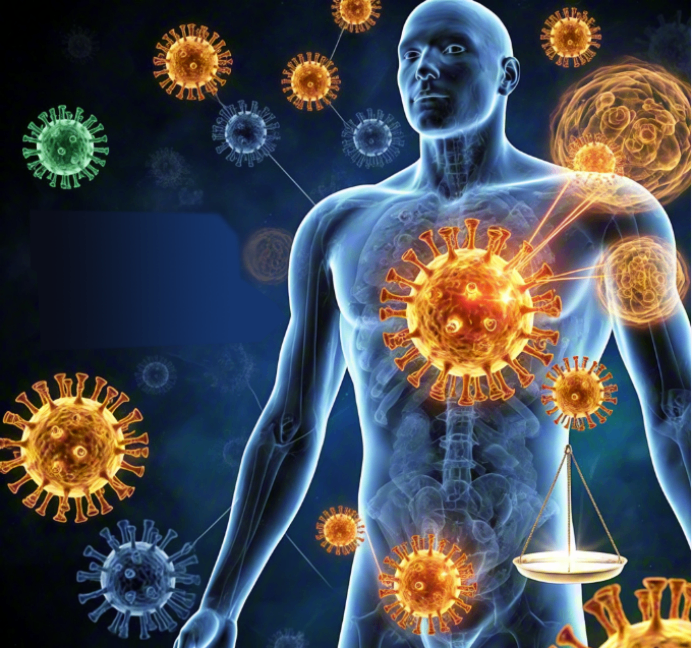
Immune cells gradually become depleted or decline in function during a sustained immune response. Regulating autologous immune cells means adjusting their activity and quantity through immunomodulators, cytokines, and other means to maintain their optimal state. Replenishing with fresh immune cells involves providing the immune system with new, fully functional immune cells through techniques such as stem cell transplantation and immune cell expansion. This process helps enhance the overall function of the immune system and improve its ability to cope with various challenges.
Enhancing the body's self-healing ability to prevent and treat various diseases:
The body's self-healing ability refers to its capacity to repair and recover after injury or infection. Enhancing this ability means improving the body's overall health through lifestyle modifications, increased nutritional intake, and moderate exercise, thereby strengthening its self-healing capacity. Preventing and treating various diseases requires a comprehensive approach, including prevention, diagnosis, treatment, and rehabilitation, to maintain overall health. This process necessitates considering physiological, psychological, and social environmental factors to develop personalized health management plans.
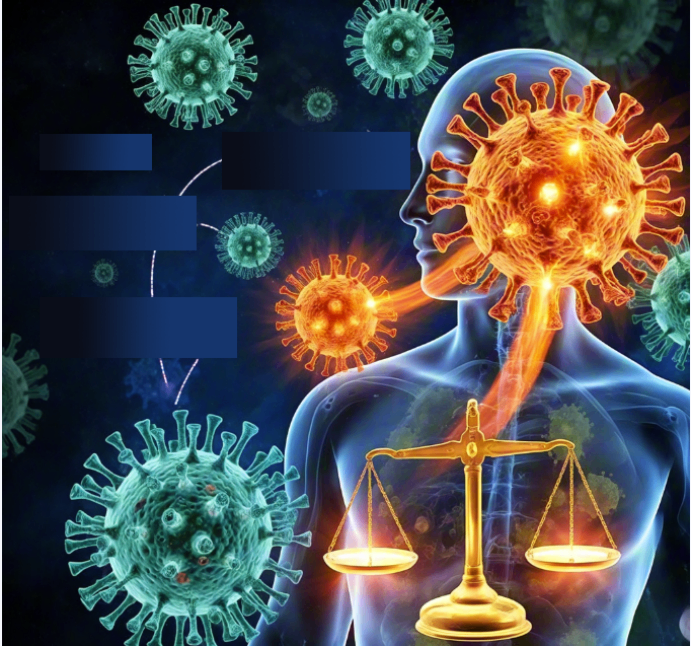
Killing Tumor Cells, Virus Cells, and Bacterial Cells:
Tumor cells, virus cells, and bacterial cells are the main pathogens that endanger human health. Killing these cells means directly or indirectly disrupting their structure and function through various means such as surgery, radiotherapy, chemotherapy, and immunotherapy, thereby achieving the goal of treating the disease. This process requires precise location of the pathogen, selection of the most effective treatment method, and close monitoring of treatment response and side effects. Simultaneously, it is necessary to develop personalized treatment plans based on the patient's specific condition to improve treatment effectiveness and the patient's quality of life.


Guangzhou SaiAoJin Biotechnology Co., Ltd. Official WeChat account
Contact Us
400-9965-120