NK cells, the natural enemy of cancer cells. Imagine your body as a castle, and NK cells (natural killer cells) as the guards patrolling day and night, ready to deal with lurking enemies—cancer cells. However, more than 95% of cancer patients have a severe deficiency in the number and activity of NK cells due to the disease and treatment process, creating opportunities for cancer cell recurrence. Through NK cell reinfusion therapy, these "guards" can return to their posts, safeguarding recovery after tumor surgery.
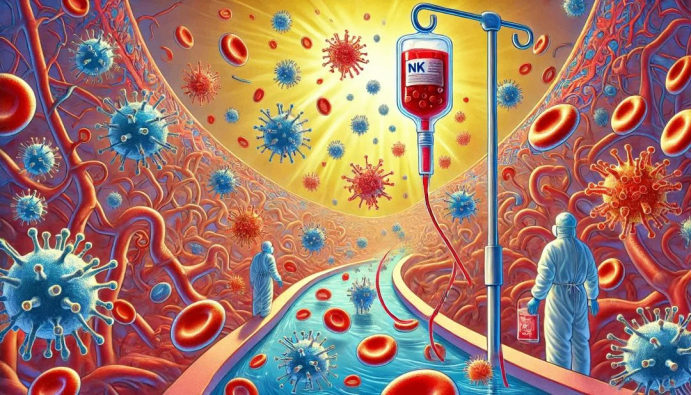
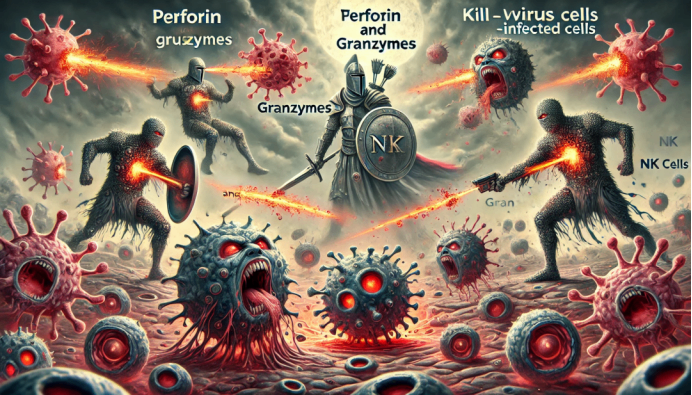
PART 01 The Power of NK Cells: The Secret Weapon Against Cancer Cells. NK cells are the first line of defense for the immune system. They don't need to identify enemies beforehand; they only need to sense the presence of abnormal cells to launch a decisive attack. They break down the "protective wall" of cancer cells by releasing perforin and granzymes, inducing apoptosis from the inside. Unfortunately, the immune system of cancer patients is often exhausted, and the number and activity of NK cells decrease significantly. This "loss of defense" not only makes cancer cells easier to spread but also increases the risk of recurrence after surgery.
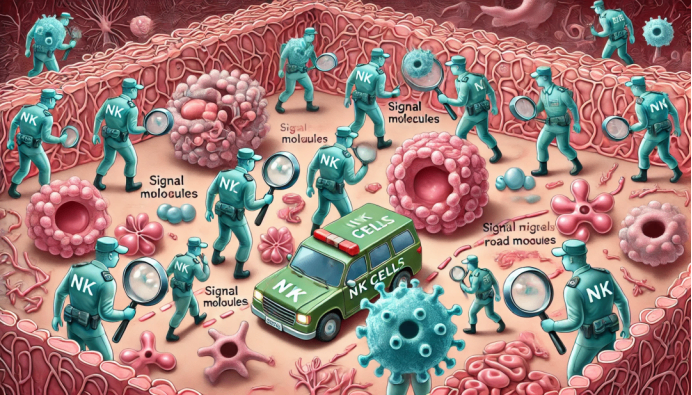
PART 02 Clinical Data: The Association Between Postoperative Recurrence and NK Cell Deficiency
Multiple clinical studies have found a close correlation between NK cell activity and the prognosis of cancer patients.
In various cancer types, including liver cancer and non-Hodgkin's lymphoma, there is a strong correlation between decreased NK cell activity and a significantly increased recurrence rate.
Studies have also shown that NK cell function is further weakened after radiotherapy and chemotherapy in cancer patients, urgently requiring intervention to restore their immune activity. PART 03 NK Cell Reinfusion: An Effective Tool for Preventing Postoperative Recurrence
By reinfusing autologous or allogeneic NK cells, the patient's immune system can be enhanced.
These cells, after being expanded in vitro, are injected into the body, much like replenishing ammunition for soldiers on the battlefield, allowing them to quickly regain their fighting power.
Studies have shown that patients who receive NK cell reinfusion have a significantly reduced risk of recurrence and a prolonged overall survival.
Case Sharing: The Efficacy of NK Cell Infusion
A study on non-small cell lung cancer patients showed that patients who received NK cell infusion therapy after surgery experienced a reduction in tumor recurrence rate of more than 30%.
Another study indicated that in liver cancer patients, NK cell infusion therapy significantly improved progression-free survival (PFS), demonstrating the potential of NK cells in tumor management. PART 04 The Future of NK Cell Infusion: A New Direction for Personalized Immunotherapy
With the development of biotechnology, NK cell therapy is moving towards personalization.
We can use gene editing technology to create CAR-NK cells that specifically recognize specific cancers, elevating the precision of immunotherapy to a new level.
Furthermore, the efficacy of NK cells has been further amplified when combined with other immune checkpoint inhibitors, such as PD-1 or TIGIT blockade therapy.
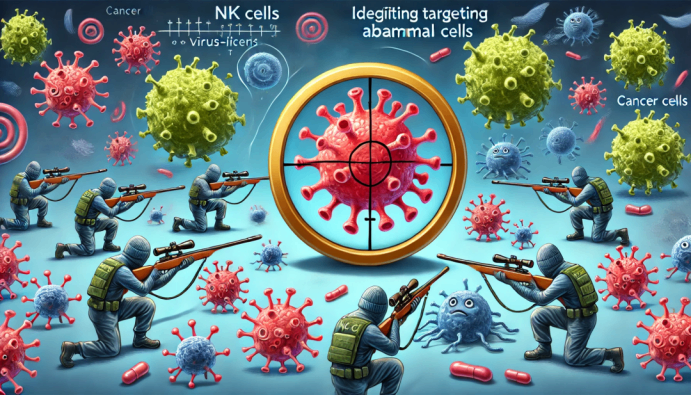
PART 05 Conclusion: A Key Step in Cancer Rehabilitation
In summary, NK cell infusion is a promising post-operative therapy for preventing recurrence and promoting cancer recovery.
In the long battle against cancer, we not only need to remove the tumor, but also repair the immune system to prevent the enemy from returning. With technological advancements, it is believed that NK cells will play an even more important role in cancer treatment.


Guangzhou SaiAoJin Biotechnology Co., Ltd. Official WeChat account
Contact Us
400-9965-120